Begin with the product’s purpose and your routine
Define the result you want and where the product will fit into your existing routine. Adding several products with overlapping active ingredients can increase cost and irritation without improving results. A simple formula used consistently may be more useful than an elaborate product that feels unpleasant, conflicts with other steps or expires before it is finished.
Texture, fragrance, packaging and application are not trivial when they determine whether you will use a product regularly. At the same time, sensory appeal should not be confused with proven performance. Keep a record of new products and introduce them gradually when your skin is reactive or you are changing more than one step.
Read ingredient lists in context
Cosmetic ingredient lists show what is present but do not usually reveal the complete formula or the concentration of every ingredient. Ingredients generally appear in descending order until the low-concentration portion of the list, after which exact order becomes less informative. Position can provide context, but it cannot establish effectiveness by itself.
Our guide to reading cosmetic ingredient lists explains names, ordering and common limitations. For products promoted around acids, retinoids, vitamin C or other active ingredients, read our guide to skincare active concentrations and percentages. Suitability still depends on the complete formula, frequency of use and individual tolerance.
Interrogate broad beauty claims
Words such as clean, detox, non-toxic, dermatologist tested and clinically proven can sound reassuring without providing enough information to compare products. Look for the specific outcome, study population, test duration and size of the reported effect. “Tested” does not mean every person will tolerate a product, and natural origin does not guarantee gentleness.
Our guides to beauty marketing claims and clean beauty language show how to separate a verifiable statement from a positioning phrase. When a product makes medical claims or a skin condition is persistent, seek advice from an appropriately qualified professional rather than relying on a cosmetic description.
Consider shelf life, hygiene and cost per finished product
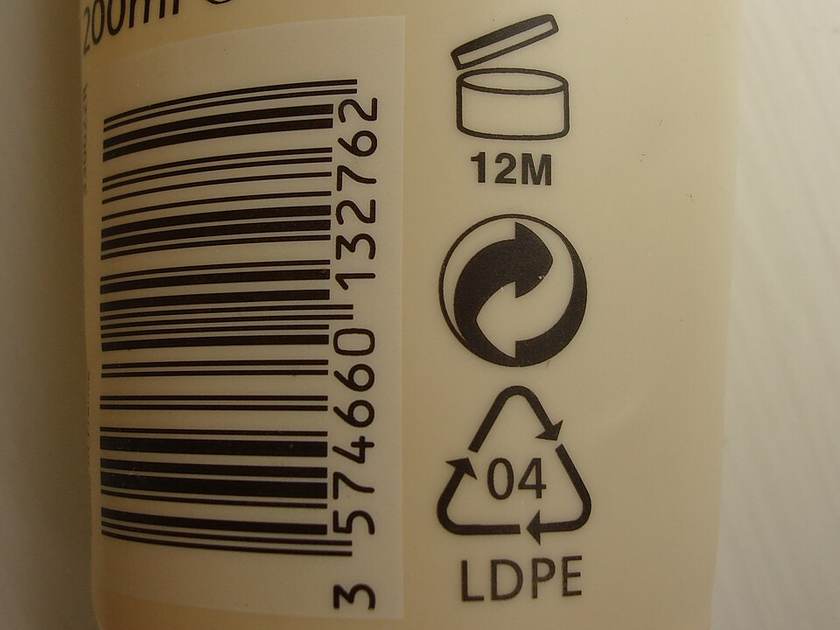
The period-after-opening symbol, expiry date and storage instructions affect how long a product remains suitable to use. Heat, sunlight, moisture and repeated contact can shorten practical life. Buying the largest size is poor value when the product changes before it can be finished. Pumps and tubes may also suit some formulas and routines better than open jars.
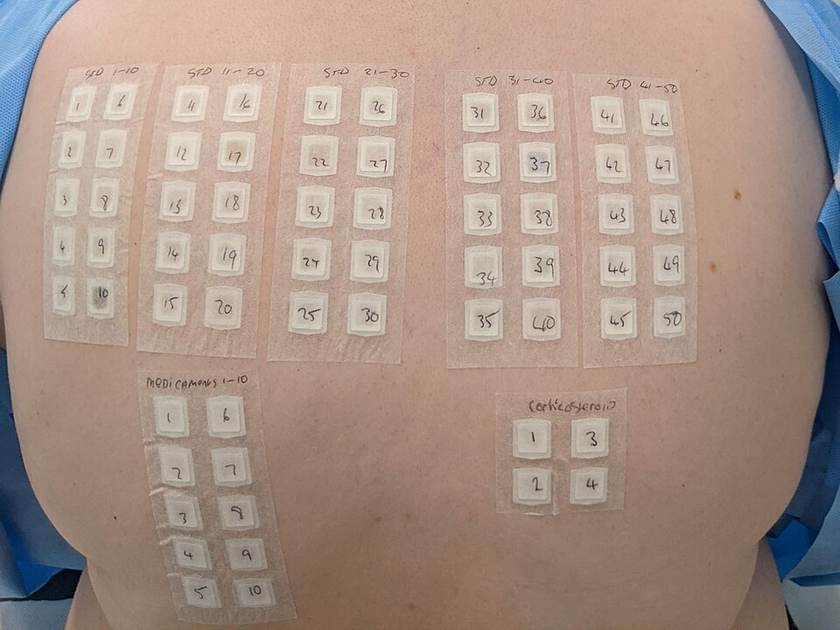
Use our guide to cosmetic expiry dates and PAO symbols to understand the label. Patch testing can reduce avoidable surprises, although it cannot guarantee that a product will never cause a reaction. Stop using a product if its smell, colour or texture changes unexpectedly or if it causes significant irritation.
A beauty-product buying checklist
- Purpose: define the cosmetic result you want and whether the product duplicates something already in your routine.
- Formula: identify relevant ingredients without judging the complete product from one fashionable component.
- Tolerance: consider fragrance, known sensitivities, active ingredients and how gradually the product can be introduced.
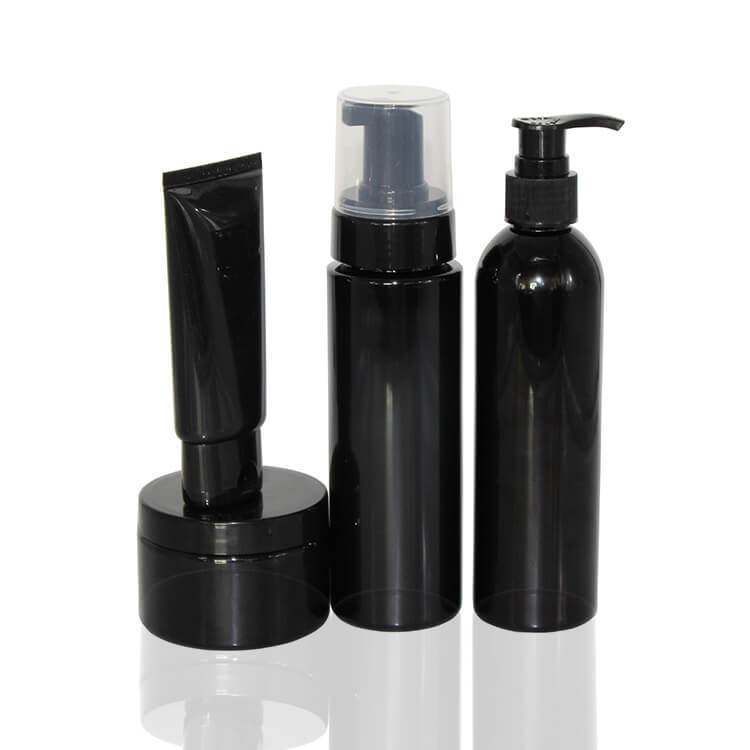
- Packaging: check whether the dispenser protects the formula and allows you to use a sensible amount hygienically.
- Shelf life: compare the PAO or expiry information with the amount you are realistically likely to finish.
- Claims: look for a specific measured outcome, test method and appropriate evidence rather than broad reassurance.
- Returns: understand hygiene seals and the retailer’s rules before opening; see our guide to returning cosmetics in the UK.
How to compare an expensive formula with a cheaper alternative
Similar ingredient lists do not prove two products are identical. Concentrations, ingredient grades, delivery systems, stabilisers, pH, packaging and manufacturing all affect the finished formula. At the same time, a luxury price does not prove superior performance. Compare the product category, intended result, key ingredients, texture, quantity and evidence rather than expecting one ingredient list to reveal everything.
Beauty “dupes” can offer excellent value when the goal is colour, finish or a familiar type of formula, but equivalence claims should be modest. Our guide to beauty dupes explains when a cheaper alternative may deliver a similar experience and when formulation differences matter. Calculate cost by the amount you finish, not only cost per millilitre; our beauty cost-per-use guide helps account for waste and oversized packaging.
Introducing skincare products more carefully
Add one significant change at a time so that benefits or problems are easier to identify. Follow label directions and avoid assuming that more frequent or heavier application will work faster. Sunscreen, prescription treatments, pregnancy, allergies and diagnosed skin conditions can create additional considerations that general buying information cannot resolve.
Our patch-testing guide describes a sensible routine before wider use. Patch testing is a risk-reduction step, not a guarantee, and it is not a diagnostic allergy test. Seek medical advice for severe, persistent or rapidly worsening reactions.
Evaluating beauty evidence and recommendations
Look for evidence that matches the claim. A laboratory measurement, consumer perception survey and controlled clinical assessment answer different questions. Sample size, comparison product, duration and measured endpoint affect how much a result can tell you. A statistically noticeable change may still be too small to matter to a buyer, while before-and-after images can be influenced by lighting, angle and preparation.
Influencer demonstrations and owner reviews can be useful for texture, shade, packaging and application, but they cannot establish safety or effectiveness for everyone. Note sponsorship, gifted products and affiliate links without assuming that disclosure automatically makes a review unhelpful. The strongest recommendation explains skin type, routine, duration, amount used and limitations.
A cosmetic claim should stay cosmetic. Products presented as treating or preventing medical conditions require a different level of evidence and regulation. Be cautious when ordinary cosmetics are described with medical certainty, and seek qualified help when a concern needs diagnosis or treatment.
Frequently asked beauty-shopping questions
Does “dermatologist tested” mean dermatologist approved?
Not necessarily. The phrase may indicate some involvement in testing but does not, by itself, describe the method, participants, result or an endorsement. Look for the detail behind the statement.
Are natural ingredients safer?
Natural origin does not automatically mean safer or gentler, and synthetic origin does not automatically mean harmful. Suitability depends on the ingredient, dose, formulation and user.
Do higher percentages work better?
Not always. Effective concentration varies by ingredient and formula, while stronger products may increase irritation. Consider evidence, stability and tolerance rather than treating the largest percentage as the winner.
When should a cosmetic be discarded?
Follow expiry and PAO guidance, store it as directed and discard it when contamination is suspected or smell, colour, separation or texture changes unexpectedly.
 RESEARCH-LED GUIDE01