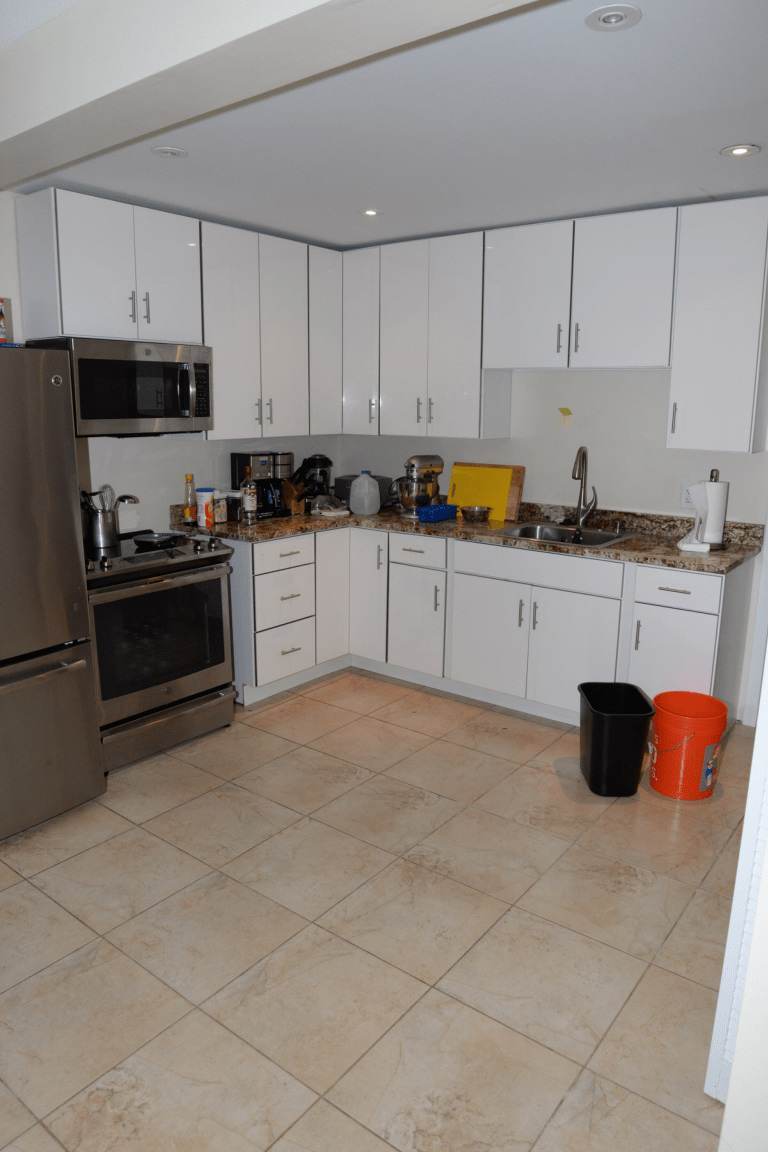
Measure the room and the route into it
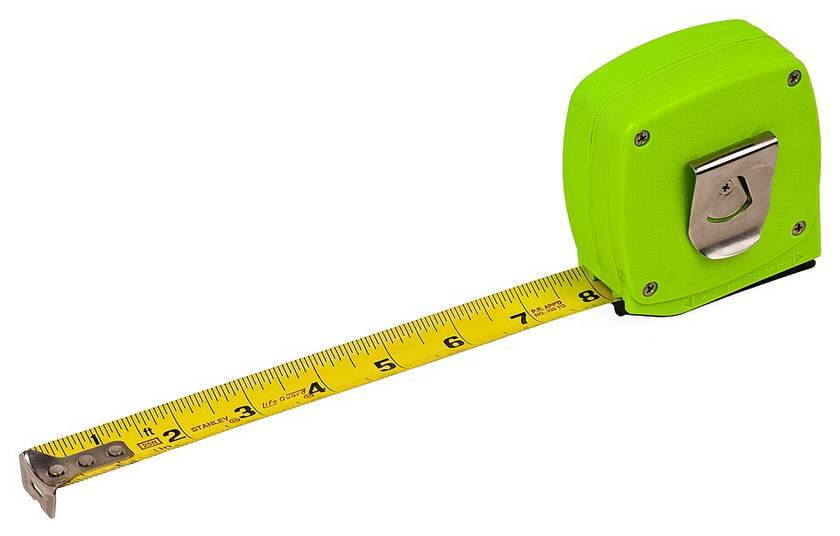
Start with the available footprint, but do not stop there. Check doorways, stairs, lifts, turning space, plug positions, ventilation gaps and the clearance needed to open doors or drawers. Furniture and large appliances can fit the stated space yet still be impossible to deliver or awkward to use. Record measurements in millimetres and compare them with the manufacturer’s complete dimensions rather than a retailer’s rounded summary.
Small rooms benefit from stricter priorities. An appliance that performs three occasional tasks may be less useful than a compact product that performs one daily task well. Our guide to buying for a small kitchen covers capacity, storage and the hidden cost of crowded worktops, while our furniture measuring guide helps prevent expensive delivery-day surprises.
Judge materials by use and maintenance
A material should suit the heat, moisture, weight and cleaning routine it will face. Solid timber, veneer, engineered boards, stainless steel, aluminium, cast iron and non-stick coatings each involve different compromises. No single material is best for every home. Construction details, thickness, joins, finishes and replaceable parts can reveal more than a broad label such as “wood” or “metal”.
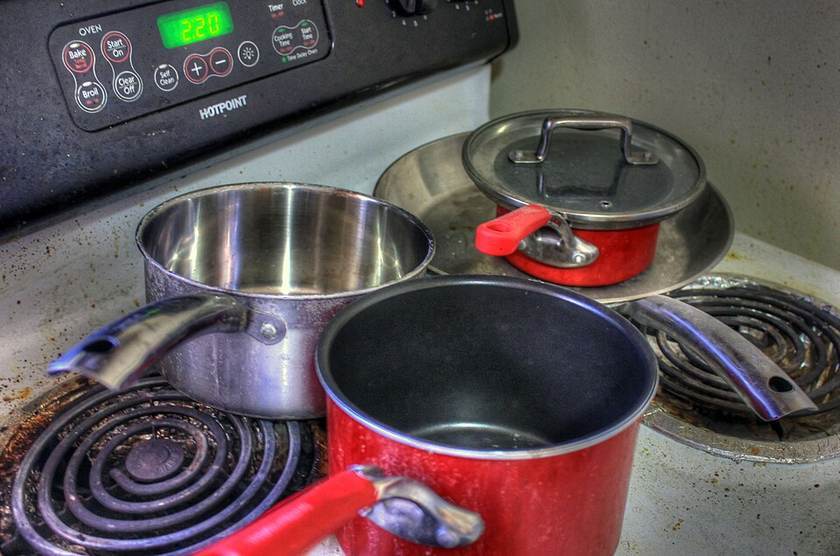
For cookware, think about hob compatibility, weight, heat response and the food you cook most often. Our cookware materials guide compares stainless steel, cast iron, aluminium and non-stick without treating one as the automatic winner. For furniture bought online, look closely at internal photographs, hardware, drawer construction, load limits and assembly instructions.
Include energy, consumables and repair in the price
Appliances can remain in service for many years, making running costs important even when the difference at the till looks small. Compare energy consumption using a realistic pattern of use, not only the efficiency letter. Capacity matters too: an efficient machine operated half-empty may cost more than a correctly sized alternative. Filters, bags, cleaning products, cartridges and proprietary accessories should be included in the budget.
Repairability can extend useful life and reduce disruption. Check whether common parts are sold, whether access requires specialist tools and how long the manufacturer normally supports the range. Our guides to appliance running costs and repairable appliances and spare parts provide a practical way to compare these less visible costs.
Choose for the household you have
Capacity, noise, controls and cleaning effort should match the people using the product. A quiet appliance may matter in an open-plan flat; simple physical controls may be better for a shared household; washable filters may save money for pet owners. Product photographs often hide cables, control placement and the amount of dismantling required for cleaning, so consult the manual before ordering when these details matter.
A useful home product earns its space. It performs a regular task reliably, can be cleaned without becoming a project and remains serviceable for a reasonable period. That standard is more meaningful than a long feature list or a showroom finish that does not survive everyday use.
A room-by-room buying checklist
- Kitchen: confirm worktop space, ventilation, sockets, hob compatibility, usable capacity and the cleaning required after normal cooking.
- Living room: measure delivery access, viewing or seating distance, cable routes, fabric care and the effect of direct sunlight.
- Bedroom: consider mattress or bedding dimensions, seasonal warmth, washable components, storage clearance and noise at night.
- Bathroom and utility areas: check moisture resistance, electrical safety zones, drainage, hose reach and access to filters.
- Whole-home appliances: compare running cost, sound level, repair access, consumables, warranty service and collection of the old item.
Write the non-negotiable measurements down and keep them with photographs of the room, socket and doorway. Retail pages change, so save the model number and specification sheet for expensive purchases. When an appliance connects to plumbing, gas or a dedicated circuit, confirm installation requirements with an appropriately qualified installer before ordering.
How to compare appliance specifications properly
Usable capacity is more important than headline capacity. Shelves, baskets, door mechanisms and internal shapes determine what actually fits. Noise figures are measured under standard conditions but perceived sound also depends on frequency, flooring, cabinets and room layout. For vacuums, wattage is not a direct measure of cleaning performance; floor head design, airflow, filtration and sealing all contribute. Our vacuum specification guide explains these relationships.
Energy labels are helpful for comparing products within the same type and size class, but household use can differ from the standard test cycle. Estimate annual cost using your expected frequency, local electricity price and the modes you will actually choose. Eco settings may take longer while using less energy; quick modes can trade efficiency for speed.
Furniture and bedding: quality signals visible online
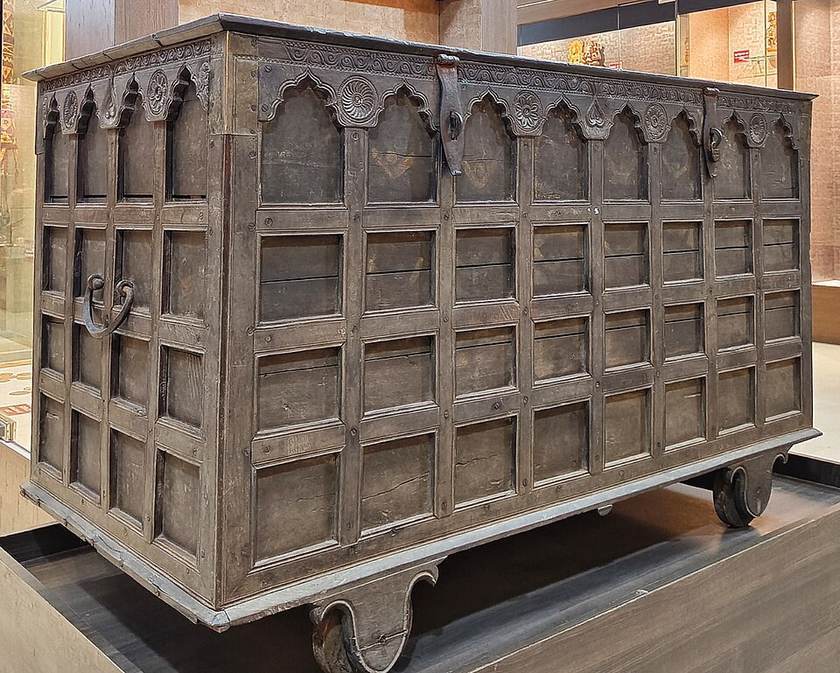
For furniture, look for clear information about the frame, panels, joints, hardware, drawer bases, shelf supports and maximum loads. Terms such as solid wood can describe only part of a product. Veneer can be durable and attractive when applied well, while poorly dried solid timber can move or split. Our guide to judging furniture quality from photographs focuses on the details retailers should show.
For bedding, avoid treating one number as a universal quality score. Thread count, fibre length, weave, GSM and tog describe different properties. Comfort also depends on temperature, humidity and personal preference. Read our guide to thread count, GSM and tog before paying more for a specification that may not suit the season or sleeper.
Delivery, installation and aftercare
Delivery terms can change the true price of home purchases. Check thresholds, timed slots, stair or room-of-choice delivery, packaging removal and collection of an old appliance. For heavy furniture, confirm whether assembly is included and whether a failed delivery caused by access measurements creates another charge. Photograph the delivery route if there is any doubt and obtain written confirmation rather than relying on a phone conversation.
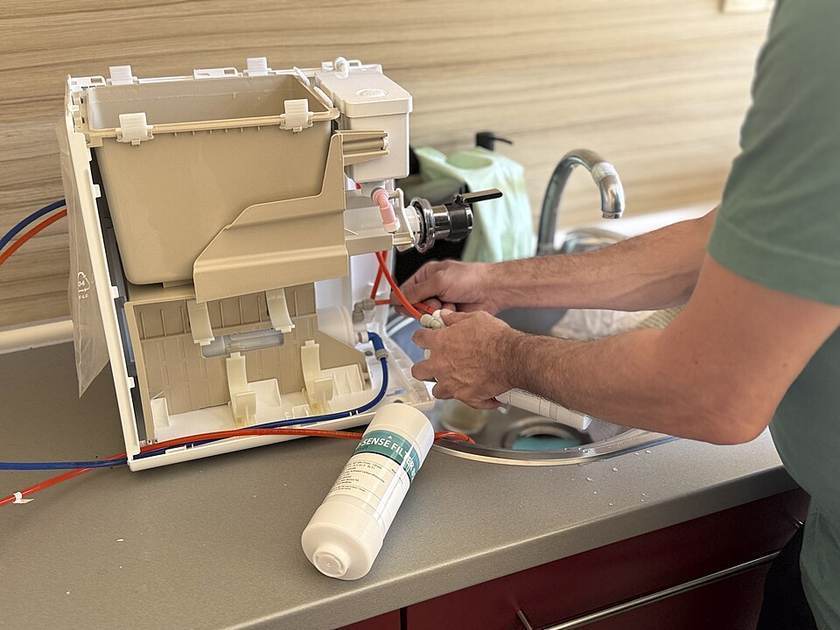
Installation should preserve safety, ventilation and warranty conditions. Some products can be connected by the owner; others require a qualified professional or a specific electrical, gas or plumbing arrangement. Read the installation section of the manual before purchase. A perfect appliance is still the wrong choice if the property cannot support it without expensive alterations.
After installation, keep the receipt, model and serial numbers, manual and warranty information together. Learn how to clean filters, descale, tighten fittings or update settings at the recommended intervals. Basic maintenance is part of ownership cost and often has a larger effect on performance than upgrading to the next model.
Frequently asked home and kitchen questions
When is a premium appliance worth buying?
When the extra cost pays for a feature you will use often, better repair support, lower realistic running costs, quieter operation or construction likely to extend useful life. Decorative finishes and app functions alone rarely justify a large premium.
Should every appliance have smart features?
No. Connectivity can be useful for alerts, remote control or energy scheduling, but it also adds accounts, updates and another possible failure point. Choose it only when the benefit is clear without weakening essential manual controls.
Is a larger capacity better value?
Only when the household regularly uses it. Oversized appliances occupy more space and may use more energy or water when operated below an efficient load.
What should I check on delivery?
Inspect packaging and the product promptly, photograph visible damage, verify the model and accessories, and follow the retailer’s reporting process. Do not arrange irreversible installation until the item and dimensions have been checked.
 RESEARCH-LED GUIDE01