How to Judge Clothing Quality Online When You Can't Feel the Fabric
Fabric weight, seam construction, linings and finishing tell you more than the price. How to assess a garment from a product page and its photographs.
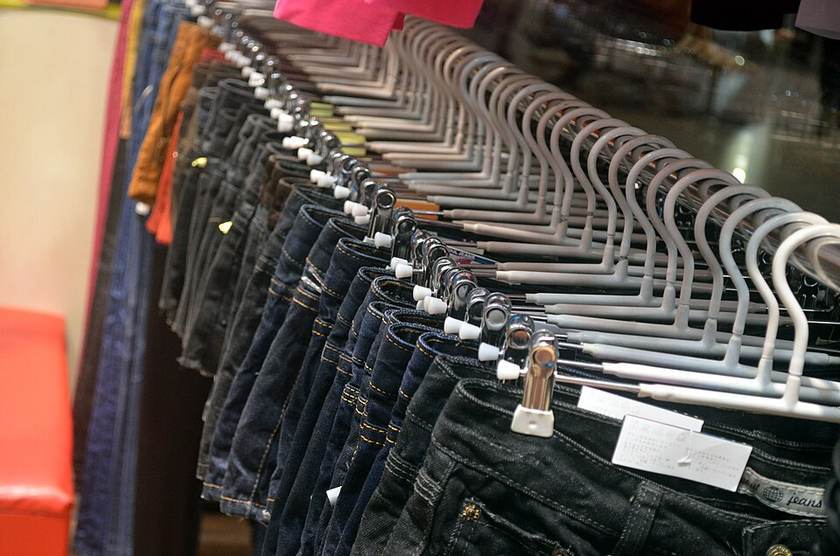
In a shop you would know within seconds. You would feel the weight, hold it to the light, tug a seam, look at the inside. Online you get a model shot, a flat lay, a paragraph of copy and a fibre percentage — and the same garment can be sold at four prices by four retailers.
This guide is the entry point to our Style coverage. It sets out what can be established from a product page before ordering, and it is deliberately about construction rather than taste. Nothing here tells you what to wear; it tells you what will survive being worn.
Fabric composition and weight come first
Two figures do most of the work, and one of them is usually missing.
Composition tells you what the garment is made of and how it will behave: how it breathes, how it creases, whether it will pill, whether it recovers its shape. Blends are not automatically inferior — a little elastane in denim or a synthetic in a technical piece earns its place — but a blend of many fibres in small percentages usually signals cost engineering rather than design intent. The vocabulary is unpicked in fabric composition explained.
Weight, given in grams per square metre or ounces, tells you more about how a garment will look and last than any adjective in the description. Weight predicts drape, opacity and durability. A retailer that publishes GSM is signalling confidence; a retailer that publishes nothing is not obliged to explain why. When weight is missing, the fallback is the photograph: transparency in the studio shot, clinging at the hip, a hem that has already lost its line.
Seams, stitch density and finishing
Garments almost never fail in the middle of a panel. They fail where pieces are joined, which makes seams the highest-information detail available.
Look for stitch density — more stitches per unit of length distributes strain and resists gaping — and for even, straight, consistent stitching along the whole run. Wandering lines, skipped stitches and puckering are speed, and speed is cost. Then look for reinforcement where load concentrates: bar tacks at pocket corners, back-tacking at seam ends, a gusset in a crotch seam.
Finishing is what stops raw edges fraying inside the garment. An overlocked edge is standard and adequate; a French seam, a flat-felled seam or a bound edge is more work and lasts longer. The absence of any interior photograph is worth noting on its own: the inside of a garment is where corners are cut, because that is where nobody looks.
Linings, interfacings and structure
Structured garments — jackets, coats, tailored trousers, structured skirts — depend on layers you never see. Interfacing supports collars, cuffs, plackets and waistbands. Lining lets a garment slide over what is beneath it, protects the outer fabric from wear and hides construction.
Two failures are common and both are visible on a product page. Fused interfacing that has been applied cheaply eventually bubbles at the collar or lapel, which shows up in photographs as a rippled edge that should be crisp. And a lining that is a fraction of the outer fabric's quality will wear through, split at the armhole or seat, and finish the garment years before the outside is worn out.
Ask what the structure is doing. An unlined summer jacket is a design decision; an unlined winter coat is a saving.
Hardware: zips, buttons and fastenings
Hardware is the cheapest thing to downgrade and the most likely single point of failure. A garment with a broken zip is out of use even when the fabric is perfect.
On zips, metal teeth generally outlast moulded plastic on heavy garments, and a branded zip is a signal that the maker was willing to spend on a part few shoppers inspect. On buttons, look at how they are attached — a shanked button on a coat, stitched through a reinforcing button behind, is built to survive a winter — and whether spares are supplied, which tells you the maker expects the garment to be repaired. On fastenings generally, plated finishes that will wear through to base metal are worth spotting in close-ups.
The same logic runs through every category we cover: an item is only as durable as its cheapest irreplaceable component.
Pattern matching and cutting
Pattern matching is the most honest quality signal in clothing, because it costs fabric and cannot be faked in the description. Aligning a check or stripe across a seam means cutting the pieces further apart on the roll and wasting material, so a garment where the pattern runs continuously across a side seam, a pocket, or the centre back was made by someone accounting for that waste.
Cutting matters even on plain fabric. Panels cut on the correct grain hang straight; panels cut off-grain twist, and a garment that twists on the model will twist on you. Look at the side seams in the straight-on photograph: they should fall vertically rather than spiralling towards the front.
Neither detail requires expertise to check, and both are visible in ordinary product photography if you look for a moment longer than usual.
What close-up photographs reveal
Assume every photograph was chosen. What was included is a decision, and so is what was left out.
Zoom in and look for: the density and regularity of the stitching; whether the fabric surface already shows fuzz that will become pilling; how the hem is finished; the inside of the collar; the alignment of a pattern across seams; and how light behaves on the fabric, which hints at fibre and finish.
Then note the absences. No close-up at all, no interior shot, no photograph of the fastening, a garment shown only pinned from behind, or only in motion — each of those is a choice that avoids showing a surface. That is not proof of poor quality, but it moves the burden of evidence, and it pairs with the review-reading method in how to judge product quality online.
Price is a weak signal in fashion
In most categories price correlates loosely with construction. In clothing the correlation is weaker still, because price carries brand positioning, marketing, retail margin and markdown strategy alongside materials and labour. The same base garment can appear under several labels at very different prices, and a heavy discount tells you about the retailer's stock position rather than the garment's worth.
The practical response is to stop using price as evidence and start using it as a budget. Judge the garment on composition, weight, seams, lining and hardware, then ask whether the price is justified by what you observed — and convert that into wears rather than pounds using cost per wear, the wardrobe application of cost per use.
A garment-by-garment quality checklist
- Composition and weight. Read the fibre percentages; find the GSM or note that it is absent.
- Seams. Zoom in. Straight, dense, even stitching; reinforcement at stress points; a finished interior edge.
- Structure. For anything tailored, check lining and interfacing — and check whether they are mentioned at all.
- Hardware. Zip type, button attachment, spare buttons, plating.
- Pattern and grain. Does the pattern run across seams? Do side seams hang vertically?
- Care. Read the care label before ordering; dry-clean-only is a running cost, as set out in care labels explained.
- Fit evidence. Check the garment measurements rather than the size letter, using clothing sizing charts.
Frequently asked questions
Is natural fibre always better than synthetic?
No. Fibre choice is about suitability, not rank. Wool and cotton behave well in tailoring and knitwear; synthetics earn their place in performance, stretch and structure. Fibre quality within the type, and how the fabric is spun and finished, matter more.
What does GSM tell me about a garment?
It describes fabric weight, which predicts drape, opacity and durability better than most published figures. Heavier is not automatically better, but a weight unusually low for the garment type often explains transparency, clinging or a short life.
Can I really judge a garment from photographs?
Partly. Close-ups show stitch density, seam finishing, pattern matching and hardware, and a missing close-up is itself informative. Photographs cannot show fabric hand, stretch recovery or behaviour after washing.
Does a higher price mean better construction?
Only loosely. Price in fashion carries positioning, marketing and margin as well as materials and labour. The observable details are far more reliable.
How we write this guide
This article is research-led. It draws on established garment construction and textile conventions — seam and finishing types, interfacing and lining functions, fabric weight measurement, grain and pattern matching — together with the fibre composition and care labelling information retailers are required to provide, and the way product photography is typically produced for e-commerce.
We have handled no garments for this piece, and it contains no brands, no models, no rankings and no statistics. Where we describe how garments fail, we describe mechanisms common across construction methods rather than claims about any manufacturer or retailer. Judgements made from photographs are probabilistic: they identify what to check and what to ask, not proof of how a specific item was made.
Recommended Today may earn commission from links to retailers. Commission does not influence our editorial content or the order of any recommendation. This guide is reviewed at least every 18 months. Next scheduled review: February 2028.