Care Labels Explained: The Symbols That Decide How Long Clothes Last
Every care symbol on a UK garment label, what it permits, and the washing and drying habits that quietly shorten the life of good clothing.
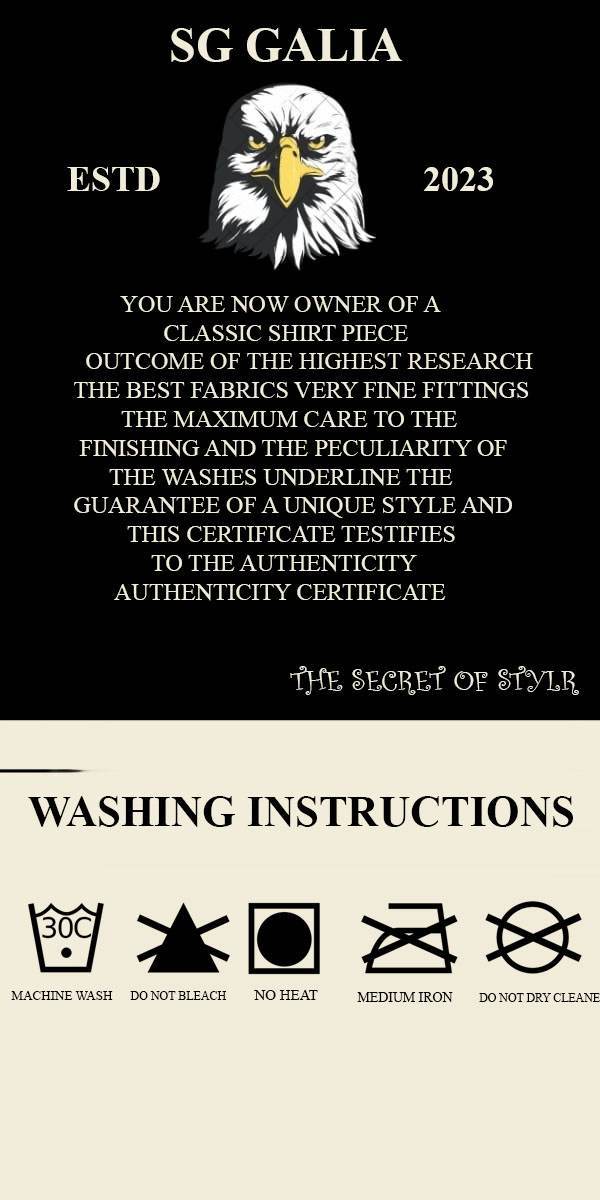
The care label is the instruction manual for something you will own for years and launder a hundred times, and almost nobody reads it past the temperature. Yet how a garment is washed and dried does more to determine its lifespan than what it cost — and the label is also, read before purchase, a running cost disclosure.
The symbols look cryptic and are not: five shapes with a consistent grammar.
The five symbol families and how to read them
Every care symbol belongs to one of five families, each covering one process:
- The washtub — washing.
- The triangle — bleaching.
- The square — drying.
- The iron shape — ironing.
- The circle — professional cleaning.
Three modifiers apply consistently across all five, which is what makes the system readable without memorising every variant. A cross through a symbol means do not use that treatment — the only instruction that is genuinely non-negotiable. Dots indicate temperature, with more dots meaning hotter, used in the iron and tumble-dry symbols. Bars beneath a symbol indicate reduced mechanical action: one bar for a gentler cycle, two for a much gentler one.
Within families, the detail follows the same logic. A number inside the washtub gives a maximum wash temperature in degrees Celsius; a hand in the washtub means hand wash only. A plain triangle permits bleaching, while a triangle containing two diagonal lines permits only non-chlorine bleach. Inside the square, a circle means tumble drying is permitted, with dots for heat; lines instead of a circle indicate natural drying — the arrangement distinguishing line drying, drip drying and drying flat, with a diagonal mark in the corner indicating drying out of direct sunlight. Inside the circle, letters tell a professional cleaner which solvents may be used, and a bar beneath indicates a gentler process; a crossed circle means do not professionally clean.
Temperature, agitation and what damages fibres
Three forces act on a garment in a machine, and they do different damage.
Heat is the most destructive. It degrades elastane, which is why stretch garments lose their recovery and fitted sheets fail before flat ones. It can shrink untreated natural fibres and knits, felt wool, set protein stains, and accelerate colour loss.
Mechanical action — the agitation and tumbling — abrades surfaces, works fibre ends loose and causes pilling. It is why the bars beneath the washtub exist and why delicates bags help.
Chemistry matters more than people assume. Alkaline detergents and enzymes damage protein fibres such as wool and silk, which is why specialist detergents for those fibres exist; and detergent overdosing leaves residue that stiffens fabric and attracts soil.
Which force dominates depends on the composition, which is why a care label is really a translation of what is in the garment — the vocabulary in fabric composition explained.
Drying: the single most destructive step
Tumble drying combines both damaging forces at once: heat and continuous mechanical action, on fabric that is already vulnerable while damp.
The evidence is in the machine itself. Lint is fibre — material that has left your clothes permanently. Elastane degrades fastest under heat, so tumble drying is the main reason garments with a few per cent stretch lose their shape. Prints, coatings and adhesives fail sooner, and the residual shrinkage that cool washing avoided often happens in the dryer instead.
Practical alternatives cost nothing: dry flat anything knitted, since hanging stretches it under its own weight; line dry where possible, out of direct sun for dark colours; and where a dryer is necessary, use the lowest heat and remove garments slightly damp rather than bone dry. Given how often clothes are laundered, this single habit change probably extends wardrobe life more than any purchasing decision — which is why it belongs in the arithmetic in cost per wear.
Dry-clean-only and whether to believe it
"Dry clean only" is the manufacturer's instruction, and following it is the safe course. Deviating is a decision to accept the risk: if a garment is damaged after being washed against its label, a complaint about the damage is unlikely to succeed.
Labels are sometimes conservative, and there are honest reasons. The manufacturer must account for the whole garment — outer fabric, lining, interfacing, trims, buttons and any adhesives — and the most fragile component sets the instruction. Testing every fabric for every domestic process costs money, so the cautious instruction is also the cheap one.
What you cannot do is tell a conservative label from a necessary one from the outside. Two sensible middle courses: reduce cleaning frequency, since airing, spot-cleaning and brushing handle most freshening without any process at all; and note the circle symbol's detail — a garment marked for professional wet cleaning can be cleaned by a water-based professional process, which is different from solvent cleaning.
Above all, read the label before buying. A dry-clean-only garment worn weekly carries a recurring cost that belongs in the purchase decision, as discussed in how to judge clothing quality.
Care requirements as a buying criterion
Care instructions are a specification, and treating them as one changes what you buy.
Three questions at the point of purchase. What will this cost to maintain over its life — professional cleaning, specialist detergent, hand washing time? Will you actually do what the label requires, honestly, because a garment needing hand washing and flat drying will be worn less if you will not do that? And does the care requirement match the garment's role — a delicate care regime is reasonable for an occasional piece and a poor fit for something worn twice a week?
Two related signals. Where a retailer publishes care information on the listing rather than only on the tag inside the parcel, that is useful disclosure, in the same way fabric weight is. And where composition and care conflict with the marketing — an "everyday" garment marked hand wash only — believe the label.
Storage, moths and seasonal rotation
Damage between wears is invisible until it is not.
Store clean. Moth larvae feed on protein fibres and are attracted to soiling, perspiration and food residue, so storing worn wool is the single biggest risk. Clean before storing, always.
Store dry and ventilated. Damp encourages mildew, and sealed plastic traps moisture; breathable cotton covers are better than plastic for long-term storage.
Support the shape. Fold knitwear rather than hanging it, and use shaped hangers for structured garments — wire hangers distort shoulders over months.
Rotate. Resting garments between wears lets fibres recover and reduces wear at pressure points, which measurably extends life across the whole wardrobe.
Deter moths physically: clean storage, sealed containers for long-term storage, regular disturbance of undisturbed areas, and prompt attention to any evidence found.
Simple repairs that add years
Most garments are retired for faults that are cheap to fix, and a repaired garment extends the denominator in any cost calculation directly.
- Reattaching or replacing buttons, which is the most common reason a shirt or coat stops being worn.
- Repairing a seam that has opened, before the fabric frays at the edges.
- Rehemming trousers and skirts, which also fixes fit problems that suppress how often something is worn.
- Replacing a zip, which is a straightforward alteration job and far cheaper than the garment.
- Removing pills carefully with a fabric shaver or comb, restoring appearance without abrasion.
- Reheeling and resoling footwear, where the construction allows it.
- Darning and reweaving for holes in knitwear, either invisibly or visibly.
Two buying implications. Garments with generous seam allowances, replaceable hardware and natural fibres take repairs better, which is a construction question. And spare buttons supplied with a garment tell you the maker expected it to be repaired — a small signal of intent of exactly the kind discussed in how to judge product quality online. If a repair also solves a fit problem, it may resolve the mismatch identified in clothing sizing charts rather than requiring a replacement at all.
Frequently asked questions
Are care labels legally required?
Fibre composition labelling is required for textile products; care instructions are not mandated in the same way. The symbols come from a voluntary international system, which is why detail and conservatism vary between brands.
What do the five families mean?
Washtub for washing, triangle for bleaching, square for drying, iron for ironing, circle for professional cleaning. A cross means do not use that treatment, dots indicate temperature, and bars beneath indicate gentler mechanical action.
Does dry-clean-only really mean only?
It is the manufacturer's instruction, and following it is the safe course — deviating puts any damage complaint on you. Labels are sometimes conservative because the most fragile component sets the instruction, but you cannot tell which from the outside.
What damages clothes fastest?
Heat and mechanical action — and tumble drying combines both. Washing cooler, washing less often and drying gently extends the life of most garments more than any product.
How we write this guide
This article is research-led. The symbols follow the international care labelling system used on garments sold in the UK — the five families, the cross for prohibition, dots for temperature, bars for reduced mechanical action, numbers for maximum wash temperature, and the letters used within the professional cleaning circle. We note that this system is voluntary, in contrast to fibre composition labelling, which is a legal requirement for textile products placed on the market in Great Britain.
We publish no wash temperatures, cycle recommendations, detergent brands or repair prices, and we tested no garments. Care requirements are set per garment by the manufacturer and depend on components you cannot see; where this guide and a label conflict, follow the label. No brands are named or ranked.
Recommended Today may earn commission from links to retailers. Commission does not influence our editorial content or the order of any recommendation. This guide is reviewed at least every 18 months. Next scheduled review: February 2028.