Returns and Refunds in the UK: What You're Actually Entitled To
Faulty goods, a change of mind or a late delivery? Here's what UK law gives you: the 30-day right to reject, 14-day cancellation and who pays the postage.
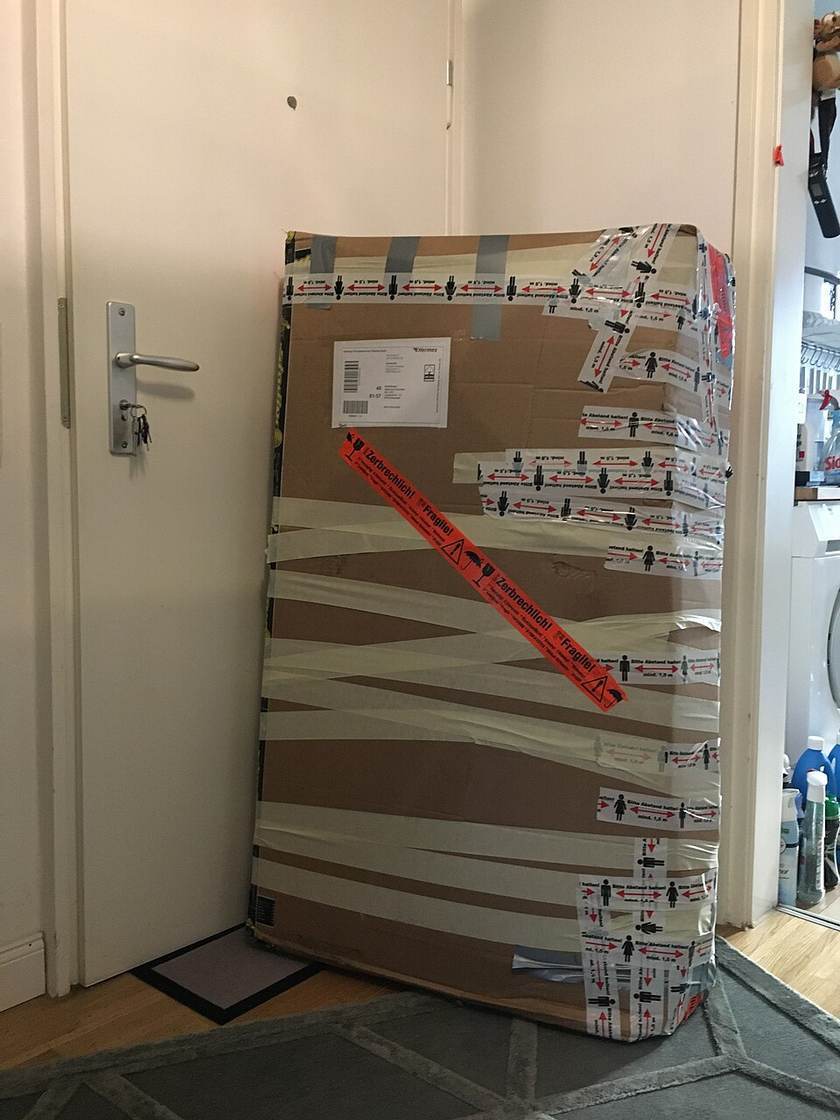
Most returns arguments are not disagreements about the law but about which law applies. The shopper is thinking about a fault; the retailer is quoting its goodwill policy. Both describe something real, and neither answers the other.
This guide separates the two and sets out the deadlines that matter. It covers goods bought as a consumer from a UK business, reflects the law as at August 2026, and is general information rather than legal advice.
Two rights people constantly confuse
The first is your right when something is wrong with the goods. Under the Consumer Rights Act 2015, anything bought from a trader must be of satisfactory quality, fit for purpose and as described. If it is not, you have remedies regardless of the retailer's policy, and they cannot be signed away by terms or a sign at the till.
The second is your right to change your mind. In law that does not exist for shop purchases at all — a high-street exchange policy is goodwill. It does exist for goods bought online, by phone or by mail order, under the Consumer Contracts (Information, Cancellation and Additional Charges) Regulations 2013. Nearly every stalemate at a customer service desk comes from mixing the two up: establish which you are relying on, then use its language.
The 30-day right to reject
If goods are faulty, misdescribed or unfit for purpose, you have a short-term right to reject them for a full refund. The window is 30 days from the day after you take ownership, receive delivery or — where the trader installs — are told installation is complete. It is a legal minimum: a retailer may offer longer but cannot shorten it.
Two details matter. Perishable goods not expected to last 30 days carry a shorter window. And if you request a repair instead of rejecting, the clock pauses; when the goods come back you have whatever remained of the 30 days, or seven days, whichever is longer.
You need not accept a repair during this window, nor a credit note. A refund must be paid within 14 days of the trader agreeing you are entitled to it, by the method you paid with.
After 30 days: repair, replacement, then refund
Past 30 days the ladder changes. The retailer gets one opportunity to repair or replace, at no cost to you, within a reasonable time and without significant inconvenience. If that attempt fails or is impossible, you can use the final right to reject, or take a price reduction and keep the goods. Reject after the first six months and the refund may be reduced by a deduction for the use you have had; motor vehicles are the exception, where a deduction can be made earlier.
Timing decides who proves what. A fault appearing within the first six months is presumed to have been present at delivery, and the retailer must show otherwise — a presumption that applies to repair, replacement, price reduction and the final right to reject, though not to the 30-day right above. After six months the burden is yours: usually an engineer's report, photographs, or evidence of a known failure pattern in that model.
Claims are not capped at six months or at the length of a guarantee: generally you have up to six years in England, Wales and Northern Ireland, and five years from discovery in Scotland. What counts as reasonable depends on the category, which is why how long appliances should last is a practical argument.
Buying online: the 14-day cancellation window
For most goods bought at a distance you can cancel for any reason, or none. The right begins when you order and ends 14 days after you receive the goods; where an order arrives in several parcels, it runs from the last. You then have a further 14 days to send the goods back.
The trader must refund within 14 days of receiving the goods or your evidence of return, whichever is earlier, including the standard outbound delivery charge — if you chose premium delivery, only the standard rate. Return postage is normally yours, but only if the trader told you so before you bought.
You may handle goods as you would in a shop; beyond that, the trader may deduct for the reduction in value. If it never told you about your cancellation rights, the window can extend by up to twelve months.
What's excluded from cancellation rights
- Goods made to your specification or clearly personalised.
- Perishable items, such as fresh food and cut flowers.
- Sealed goods unsuitable for return on health or hygiene grounds once unsealed — the cause of most disputes over returning cosmetics in the UK.
- Sealed audio, video or software unsealed after delivery.
- Newspapers and magazines, other than subscriptions.
- Digital downloads once you have expressly consented to immediate delivery and acknowledged losing the right to cancel.
- Accommodation, transport, vehicle hire and leisure services booked for a specific date.
Note what is not there: opened boxes, missing outer packaging, items you have merely looked at.
Deliveries that arrive late, damaged or not at all
Unless agreed otherwise, goods must be delivered without undue delay and within 30 days. Miss that and you can set a new reasonable deadline; miss the second, or if the original date was essential and you said so, you can end the contract and get your money back.
Goods are the trader's risk until they reach your physical possession or that of someone you named. Parcels left in a bin store, handed to an unnominated neighbour, or photographed on a doorstep and then taken remain the retailer's problem. Report non-delivery in writing and do not be redirected to the courier — your contract is not with the courier.
Your claim is with the retailer, not the manufacturer
You contracted with the shop, so the shop owes you the statutory remedies; it cannot discharge that with a manufacturer's helpline number. A manufacturer's guarantee is an additional, voluntary promise alongside your rights — the distinction is set out in warranty vs guarantee in the UK.
Buying from a trader through a marketplace generally means your claim lies with that trader. Buying privately is different: satisfactory quality and fitness for purpose do not apply, though goods must match their description — the biggest reason to read whether refurbished is worth buying in the UK first.
Paying by card: Section 75 and chargeback
If you paid by credit card for something costing more than £100 and no more than £30,000, section 75 of the Consumer Credit Act 1974 makes the card provider jointly liable with the retailer for breach of contract or misrepresentation. It applies even if only part of the payment went on the card — the strongest tool available when a retailer stops responding or goes out of business.
Chargeback is different: a card scheme rule rather than a statutory right, available on debit as well as credit cards, with its own time limits, typically around 120 days. It is often quicker for smaller amounts and gift purchases, which matters when the deadlines around gift returns in the UK are already tight.
How to complain so it works
- Write it down. Email or the retailer's web form, not a phone call. You want a dated record.
- Name the right. "I am exercising my short-term right to reject under the Consumer Rights Act 2015", or "I am cancelling under the Consumer Contracts Regulations 2013." Precision changes how a case is routed.
- State the remedy and a deadline. Ask for one thing — refund, repair or replacement — by a reasonable date.
- Attach evidence. Order number, photographs, when the fault appeared.
- Escalate in order. Formal complaint, then any alternative dispute resolution scheme the trader belongs to, then section 75 or chargeback, then the small claims track — up to £10,000 in England and Wales, with different limits elsewhere in the UK.
Citizens Advice offers free help throughout, and its consumer service passes reports to Trading Standards. Keep everything in one email thread.
Frequently asked questions
Can a shop refuse a refund if I have lost the receipt?
For faulty goods you need proof of purchase, not the original receipt — a bank statement, order confirmation or loyalty record will do. A retailer can require evidence that you bought from it, but not that the evidence takes one form.
Does a "no refunds" sign remove my rights?
No. Statutory rights over faulty, misdescribed or unfit goods cannot be excluded by a notice or by terms and conditions. Such signs can only apply to goodwill returns of non-faulty items bought in a shop.
Who pays the return postage?
For faulty goods, the retailer. For a change-of-mind cancellation you normally pay — but only if the trader told you so before you ordered.
How long does a refund have to take?
For rejected faulty goods, within 14 days of the trader accepting you are entitled to it. For a cancelled distance purchase, within 14 days of the goods coming back or of your proof of postage.
What are my rights if the item was a gift?
Statutory rights sit with the buyer, so a faulty-goods claim is normally made by whoever paid. Many retailers extend goodwill returns to recipients through gift receipts, which is policy rather than law.
How we write this guide
This article is research-led and checked against the legislation itself rather than secondary summaries: the Consumer Rights Act 2015 (sections 19, 22, 23 and 24 for the presumption, the 30-day window, the repair-or-replace stage and deductions for use; sections 28 and 29 for delivery times and passing of risk), the Consumer Contracts (Information, Cancellation and Additional Charges) Regulations 2013 (regulations 28 to 35 for the exemptions, the cancellation period, refunds and return costs) and section 75 of the Consumer Credit Act 1974 for the £100 to £30,000 credit card thresholds. Delivery and risk are cited to the 2015 Act because the equivalent Part of the 2013 Regulations was omitted in 2015. Chargeback is described as a card scheme rule because that is what it is.
No products were tested and there are no rankings. Consumer law is not uniform across the UK, and cases turn on their facts. Take advice from Citizens Advice or Trading Standards before relying on this in a dispute.
Recommended Today may earn commission from links to retailers. Commission does not influence our editorial content. Legal guides are reviewed at least every 12 months, and immediately after any relevant change in the law. Next scheduled review: August 2027.